Common Mistakes When Buying Rolex Replica Watches (And How to Avoid Them)
First, a Reality Check
Most people who end up disappointed with a replica watch don’t start out careless. They usually do some research, look at photos, read comments, and feel fairly confident when they place the order. The disappointment comes later, when the watch is no longer “new.”
That moment—two or three weeks in—is when expectations and reality finally meet. And that’s where most mistakes around a high-end rolex replica become obvious.
Mistake #1: Letting Photos Decide Everything
It’s easy to understand why photos carry so much weight. They’re clean, controlled, and flattering. Under the right lighting, almost any decent replica looks impressive. The problem is that photos don’t tell you how the watch behaves when it’s part of your day.
I’ve seen watches that looked perfect online but felt slightly awkward once worn for a full afternoon. Nothing dramatic—just a clasp that didn’t close quite as confidently, or bracelet edges that became noticeable after a few hours. Small things, but persistent.
What changes the outcome is not finding “better photos,” but reading about wear. When people mention how the watch feels after a long day, those comments are usually more honest than any product image.
Mistake #2: Believing Specifications Tell the Whole Story
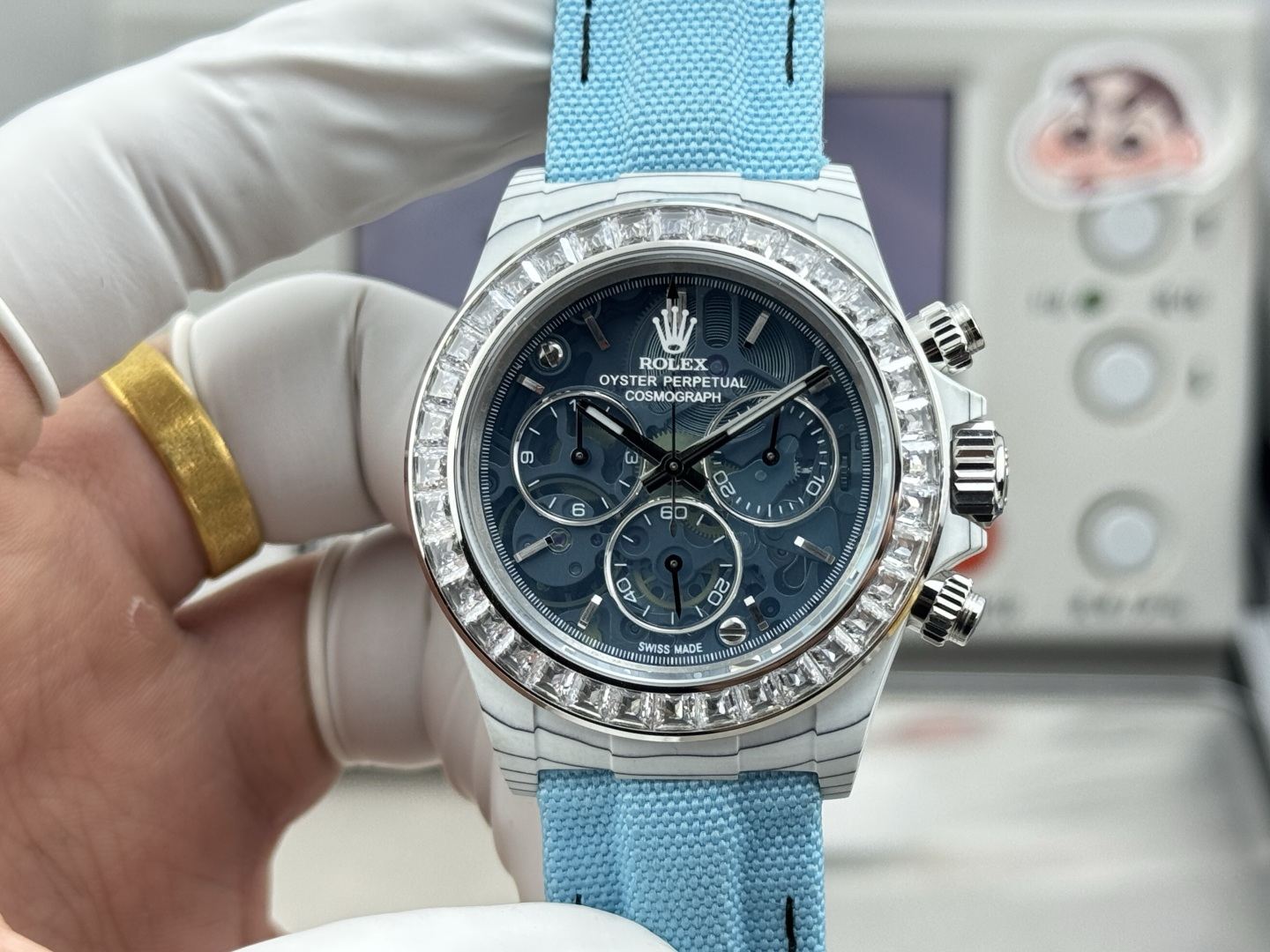
Specs feel reassuring. They look objective. When you’re new, it’s tempting to think that a thinner case, a specific movement name, or a longer power reserve automatically means higher quality. That assumption doesn’t always survive daily use.
Some of the most stable replica watches I’ve handled weren’t the most technically ambitious. They were simple, slightly conservative builds that didn’t push tolerances too far. Over time, that restraint mattered more than impressive numbers.
Specs still matter, but they rarely explain why one watch feels relaxed and another feels fussy.
Mistake #3: Realizing Comfort Too Late
Comfort is one of those things people notice only after it’s missing. On day one, almost any watch feels fine. By day ten, patterns start to emerge. The case may sit a bit high. The bracelet might feel stiff in certain positions. None of it ruins the watch, but it changes how often you reach for it.
Many replica watches don’t fail outright—they just quietly fall out of rotation. That usually has more to do with ergonomics than appearance.
When a watch feels neutral on the wrist, almost boringly comfortable, it tends to last longer in daily use.
Mistake #4: Buying Too Early
New releases are exciting. Early photos circulate, discussions start, and there’s a sense of urgency. The risk is that first versions often reveal their issues only after people begin wearing them regularly.
Alignment quirks, stiff components, or minor finishing inconsistencies are more common early on. Later versions often feel calmer and more predictable—not because they look different, but because small issues have been quietly corrected.
Waiting isn’t glamorous, but it tends to pay off.
Mistake #5: Forgetting You’ll Actually Wear It
It sounds obvious, but it’s surprisingly easy to forget. A watch isn’t a static object. You’ll wind it, set it, open and close the clasp, bump it lightly against desks and door frames. Those interactions add up.
Some replica watches handle that reality well. Others start to feel slightly inconsistent—crown threading that requires more care, clasps that lose crispness, bracelets that feel less refined. None of this shows up in the first few days.
Thinking in months instead of days changes the decision completely.
How I’d Decide Now
- I’d read fewer launch impressions and more long-term comments.
- I’d pay more attention to bracelet and clasp feedback.
- I’d be cautious with complexity unless I knew why I wanted it.
- I’d choose comfort and consistency over excitement.
The watches that stay interesting are usually the ones that don’t demand attention.
FAQ
Do replica watches always feel worse over time?
No. Some age very well. The variation between examples is what catches people off guard.
Is comfort more important than accuracy?
For daily wear, yes. A slightly inaccurate watch that’s comfortable is worn more often.
Are early releases always a bad idea?
Not always, but they carry more uncertainty than established versions.
Why do small annoyances matter so much?
Because you interact with a watch dozens of times a week. Small things repeat.
Is simpler really safer?
Often. Simpler designs tend to be more forgiving in daily use.
What’s the biggest mindset shift?
Stop buying for the first day. Buy for the third month.